
EXECUTIVE AND LEADERSHIP COACH WITH THIRTY YEARS IN ENGINEERING
I work with senior technical leaders who want to lead more deliberately
Most of what you carry, you never chose to pick up.
Bring the heaviest thing on your plate. Spend thirty minutes on it, and you'll have a clearer read on what to pick up and what to put down.
Complimentary and confidential
I designed data storage systems for 30 years, the kind that have to keep running when one part of them fails. I was the person they brought the hard problem to. I now sit on the other side of the table as your partner, empowering your leadership to create what previously seemed impossible.
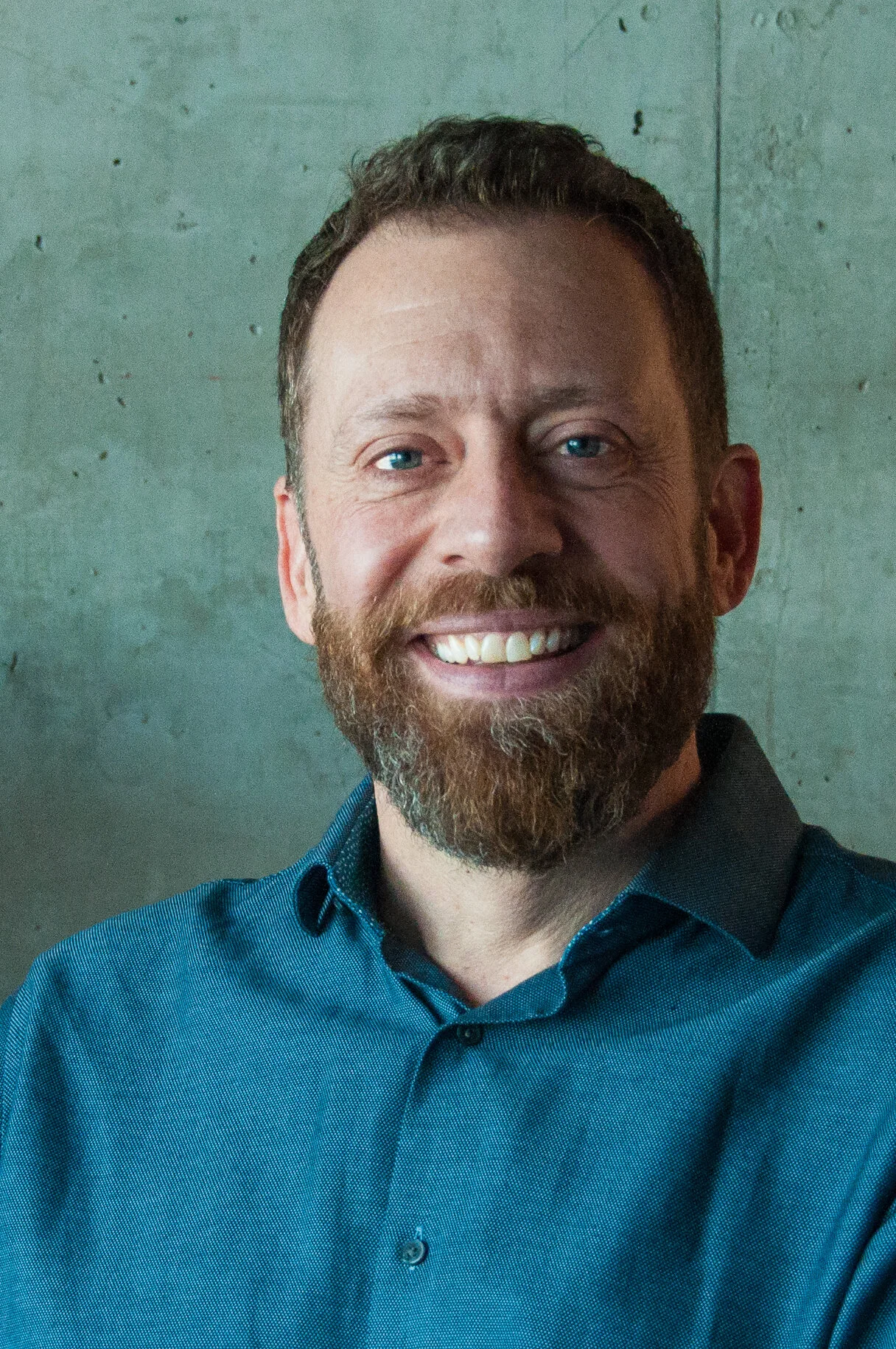
David Perry
Coaching since 2016 / One to one / Zürich or remote / English
RECOGNITION
Nothing is wrong. That is the confusing part.
The problem is something’s missing, and I can help you see what it is.
Your calendar is full, and most of it is legitimate. The people around you are capable. The numbers are defensible. You are still the one everyone brings the hard decision to, and still the one who closes it.
At the end of the day, you can account, precisely, for what did not get done. What you handled well does not get the same accounting. It registers as the baseline, and goes unremarked, including by you.
This is not a capacity problem. More effort has stopped paying off, because effort was never the constraint. Believe it or not, you can delegate more and I can show you how.
WHAT CHANGES
The load does not get lighter. You get steadier.
The work does not remove what you are carrying. It changes who is carrying it and how it is carried.
Doing is what you produce. Being is who is producing it. Every leader carries a way of being they didn’t choose: it was assembled under pressure, it worked, and it is part of why you were promoted. Ontological coaching makes it visible, and then makes it optional. It shows up in three observable places: the language you use, the moods you operate from, and how you hold yourself when the pressure arrives.
For 30 years, I designed systems that had to keep running when one part of them failed. A leader is not different in that respect.
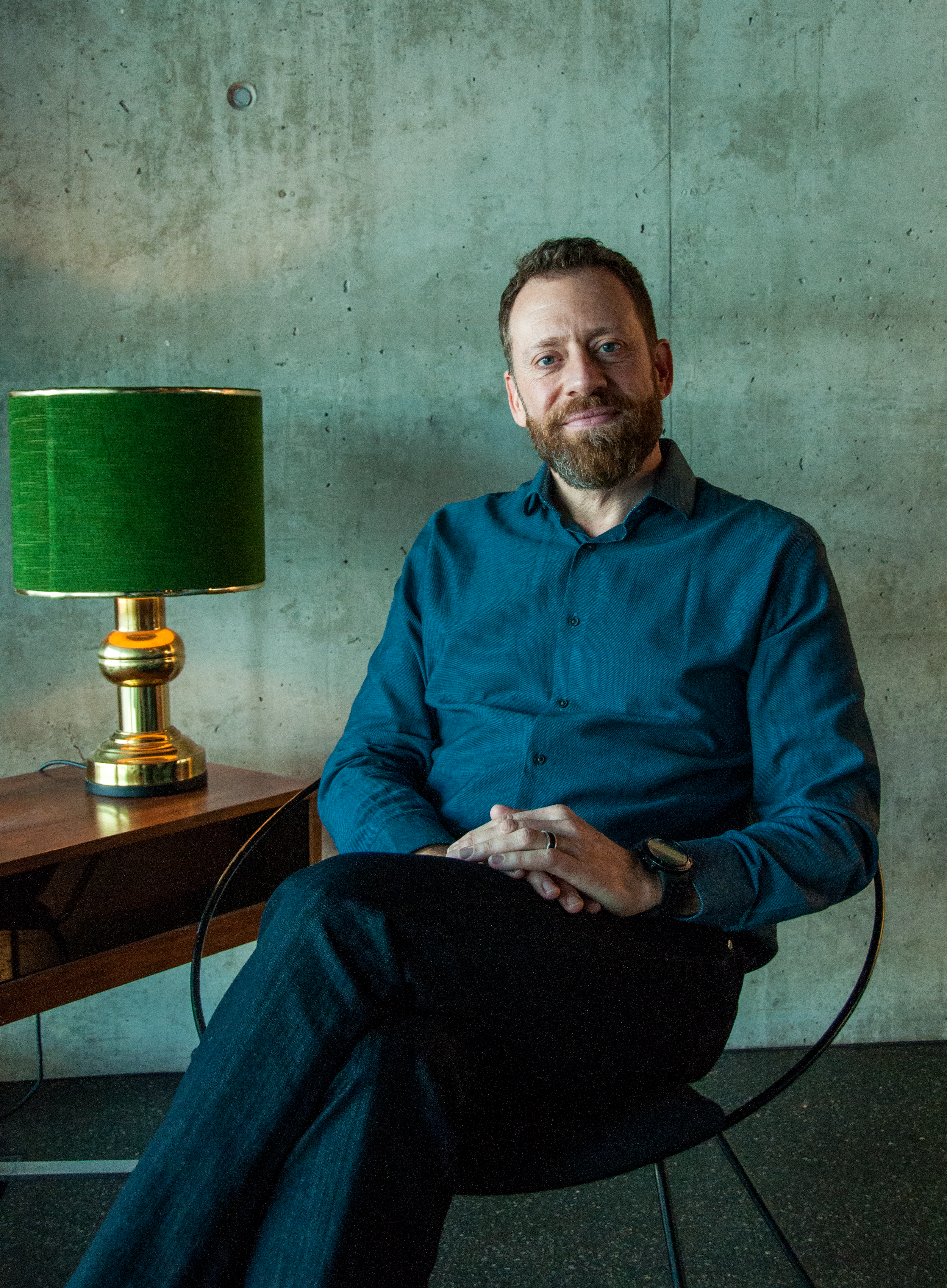
WHY DAVID
I have sat in the pressure you are currently experiencing
30 years in data storage, most of it in Silicon Valley and then Zürich. Pioneering work on early RAID systems, first in class and fully fault-tolerant. Then the internal algorithms and failover architecture for the generation after that, and later the management of storage systems and fibre channel networks.
I know what it means to be on the technological edge, to ship against a deadline that was never realistic, and to be the person in the room who says it will be fine.
I moved into coaching in 2016, trained as an ontological coach with Ontoco and the Newfield Institute, and I have taught mindfulness meditation.
The engineering did not go away. It shows up as precision in what is actually happening, and impatience with anything that sounds good but does not hold up.
I work with leaders one to one around the world, and I guide groups in destination retreats.
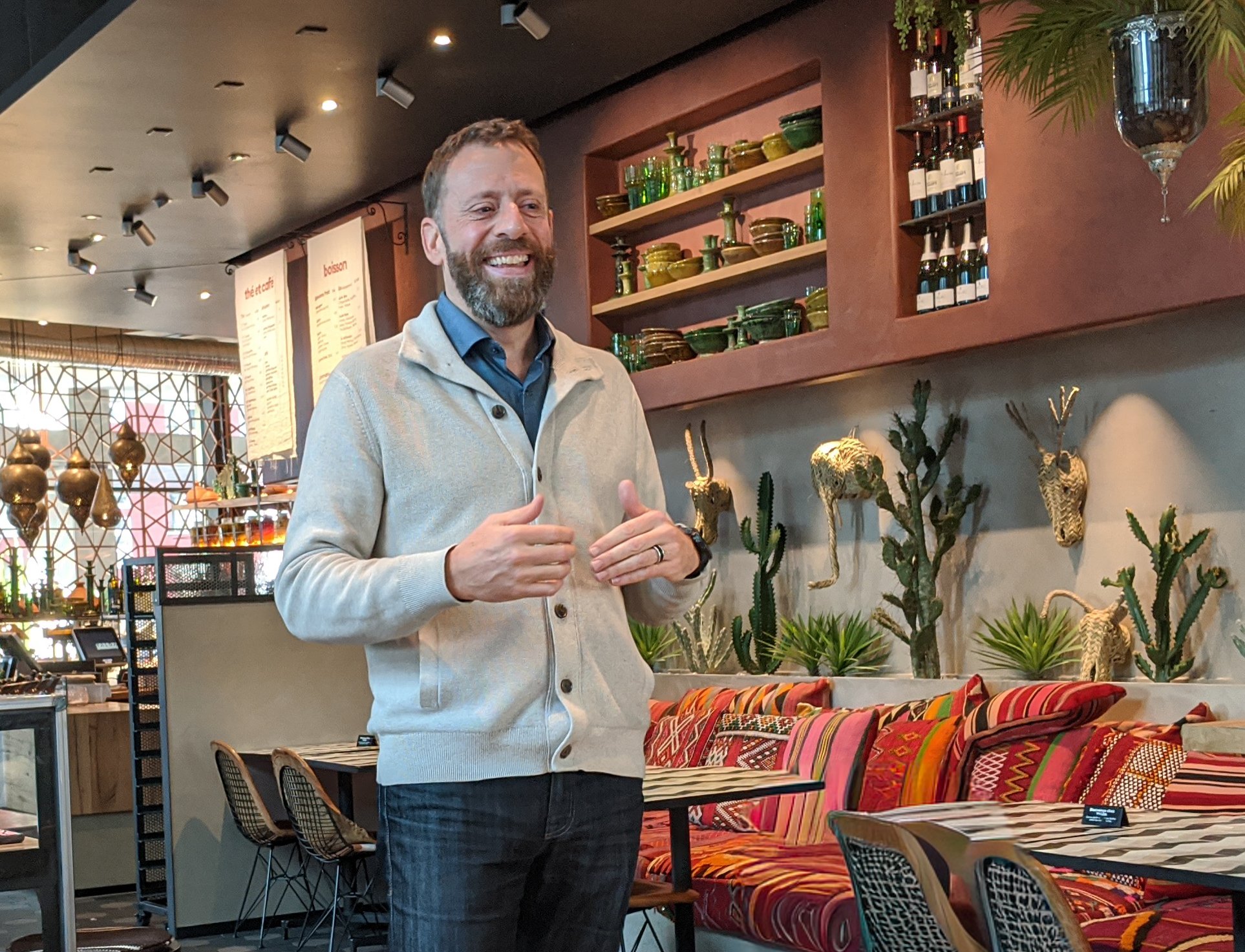
Some of this work happens in workshops, with a small group. Most of it happens inside an ordinary week, in one to one sessions working on your real-world challenges.
WAYS TO WORK TOGETHER
Where would you like to start?
One sets the direction. The other changes how you carry it. Each is complete in itself, and neither is a step towards the other.
Vista View
Eight hours, one to one, in Zürich or the Swiss Alps. A structured day to step back from all of it, the work and the role and the life around you, and design what comes next deliberately. You leave with a vision across seven dimensions of your life, a written manifesto of what you actually value, and practical steps you can start on Monday.
- Shape
- Eight hours, in person
- Suits
- Direction, not a single decision
Steady State
Twelve 60-minute sessions, two weeks apart, plus three hours of Deep Discovery Workshop. The gap between sessions is where the work is tested as you take directed action toward the possibility we're co-creating.
- Shape
- 12 sessions plus three hours
- Suits
- Holding up under the load you have
proof
What clients say they are done with…
At the end of an engagement, I ask the same question: what old behaviors, thoughts, patterns, and feelings are you done with? These are their answers across nine years of asking that question. The repetition and the awareness is the point.
Nobody arrives asking for all of the above. They arrive with a challenge, a role that has stopped fitting as well as it used to, or a quarter that went well but didn’t feel like it. The list above is what turns out to have been in the way for many people.
Questions
The things people ask before they sign up
Who do you work with?
Senior technical leaders across industries, in roles where they are already performing well. Technical describes how someone thinks rather than the sector they work in. About half lead technology functions, mostly inside organisations that are not technology companies.
What is the difference between Vista View and Steady State?
Vista View is one day and it sets direction. Eight hours, one to one, ending with a vision across seven dimensions of your life and a written manifesto. Steady State is six months and it changes how you carry the load: twelve sixty-minute sessions two weeks apart, plus three hours of Essence Discovery. Each is complete in itself, and neither is a step towards the other.
What is ontological coaching, in plain terms?
Most approaches work on what you do. This one works on who is doing it. The pattern you run shows up in three observable places, which are the language you use, the moods you operate from, and how you hold yourself when the pressure arrives. Those three are trainable, which is why insight on its own does not shift them.
What does it cost?
No pricing is published. Fit comes first, then the numbers. The First Look is thirty minutes at no cost, and no proposal follows unless you ask for one.
Do you work remotely?
Yes. Steady State runs remotely or in person in Zürich. Vista View is in person only, in Zürich or the Swiss Alps. Everything is in English.
How do we start?
With a First Look. Thirty minutes, at no cost. Bring the heaviest thing on your plate, and you will have a clearer read after the call on what to pick up and what to put down. If coaching is not the right answer, I will say so, and where possible I will point you toward another resource.
THE FIRST LOOK
One conversation. Then you decide.
30 minutes, at no cost. We look at what you are actually carrying and the gap between the effort going in and the results your getting.
Length
30 Minutes
Cost
None
None. No proposal follows unless you ask for one.
Obligation
If coaching is not the right answer, I will say so, and where possible, I will point you toward another resource.